Do Led Teeth Bleach Packages Work? I Tried Teeth Bleaching In The House
Risk-free Teeth Bleaching In 2025: Specialist Led Technology Vs Sensitivity-free Home Alternatives

- This multi-faceted strategy guarantees also delicate people can accomplish significant lightening with manageable negative effects.
- The mouth piece warms instantly and keeps the optimal temperature level during the bleaching procedure.
- Tooth lightening results are seen after one 30- to 60-minute therapy.
- Β-carotene is an example of an organic chromogen with several conjugated double bonds; B.
- The accompanying applications often consist of tips, tips for preserving outcomes, and also gamification elements to urge consistent use.
As a result, gingival cells are normally protected before the agent is used. Some professionals utilize laser systems to enhance the price of the chain reactions. This use of lasers is considered to be an 'off-label' use of laser systems in dentistry by the US Fda. In a systematic testimonial by Buchalla and Attin3 no added gain from light-activated systems was located and therefore the American Dental Organization does not support such whitening systems.
While enamel might be the best cells in the human body, it doesn't suggest it's not susceptible to damage. Enamel and dentin, the major parts of the tooth responsible for shade, are what react to the teeth whitening option. Stains are gently lifted when they reach hydrogen peroxide. Because teeth whitening is not backed while pregnant, several women ask yourself if it's risk-free to whiten their teeth post-delivery. Clinicians have mixed viewpoints, yet we advise mommies that are nursing delay to lighten their teeth until they are no longer doing so. The percentage of hydrogen peroxide ingested throughout a bleaching therapy may or might not be enough to go into the blood stream, so better to be careful.Home Blue Led Packages
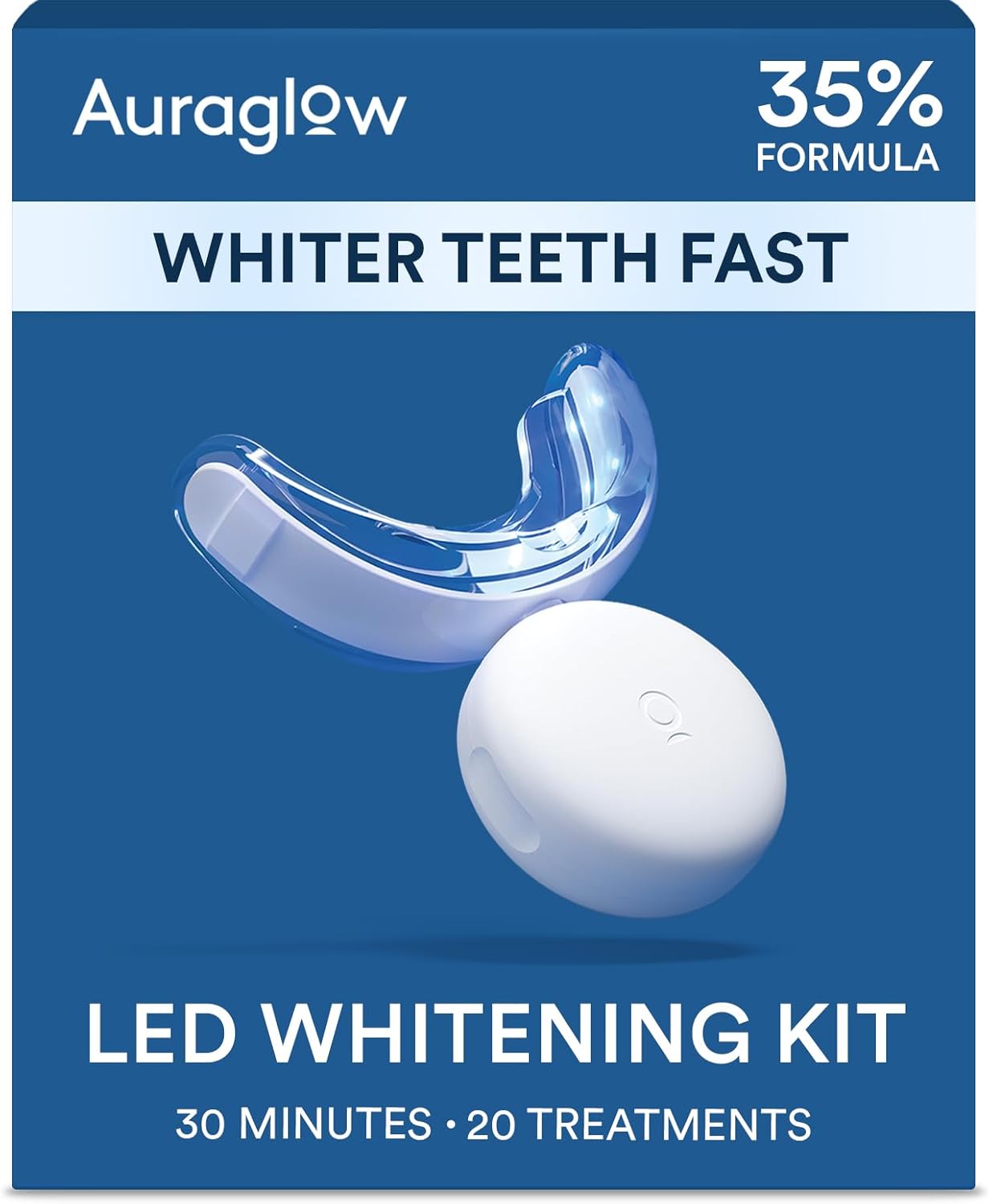
For beginners, a dental professional can help you determine why your teeth might look a little discolored. That is necessary because lightening products function best on teeth that have yellowed with age or via staining by food or beverages. Dentists suggest weakening hydrogen peroxide with water to acquire a 1% dilution. While not suggested for day-to-day usage, it's perfectly risk-free to rinse your mouth with this mix numerous times a month to eliminate bacteria and battle gingivitis.Individuals transform to expert teeth whitening and home treatments to attain a brighter smile. This treatment involves radiating blue light onto a gel put on your teeth, which guarantees to brighten your smile in simply one session. Nevertheless, while blue light teeth lightening is thought about risk-free, it has disadvantages. In this blog post, we'll discover the benefits and negative aspects of this method and contrast it to various other teeth lightening options. Blue LED light teeth whitening makes use of a noticeable blue light together with a whitening gel, normally hydrogen peroxide or carbamide peroxide.
Basic Dentistry
Overall, LED teeth whitening uses a modern-day technique to accomplishing a brighter smile, incorporating the efficiency of lightening agents with the accelerating power of LED light. Due to the light's strength, some people might experience level of sensitivity throughout or after the treatment, which can be uneasy. In addition, blue LED light teeth whitening does not work for all types of discoloration, specifically deep innate stains. This indicates that this technique may be inadequate if your discoloration is brought on by aspects apart from surface area discoloration, such as genetics, age, or injury. Unfortunately, several variables can trigger tooth discoloration, such as age, genetics, medications, food, and drink.Are At-home Blue Light Sets As Strong As Specialist Lightening?
The concentrated nature of professional treatments suggests less applications of bleaching agents on the whole, potentially reducing long-lasting enamel direct exposure. The science behind PAP's gentler activity lies in its molecular framework. Unlike hydrogen peroxide, which can penetrate through enamel into the dentin layer where nerve closings stay, PAP molecules are larger and function primarily on surface discolorations. This targeted technique means individuals can accomplish noticeable bleaching without the capturing discomforts that commonly come with traditional therapies. Early adopters report being able to take pleasure in chilly beverages promptly after therapy, something formerly unimaginable with conventional bleaching. The dispute is mainly because of study designs and methodology which are extremely different. The studies are heterogeneous and the outcomes can not be used in a meta-analysis. Risks frequently reported with tooth bleaching include raised tooth level of sensitivity and mild gingival irritation. The degree of these negative effects is directly pertaining to the concentration of the peroxide bleach component, period of the treatment, and the non-bleach PAP Whitening make-up of the item used. Tooth level of sensitivity normally happens at the time of treatment and can last numerous days; gingival inflammation begins within a day of the therapy and can additionally last several days.